
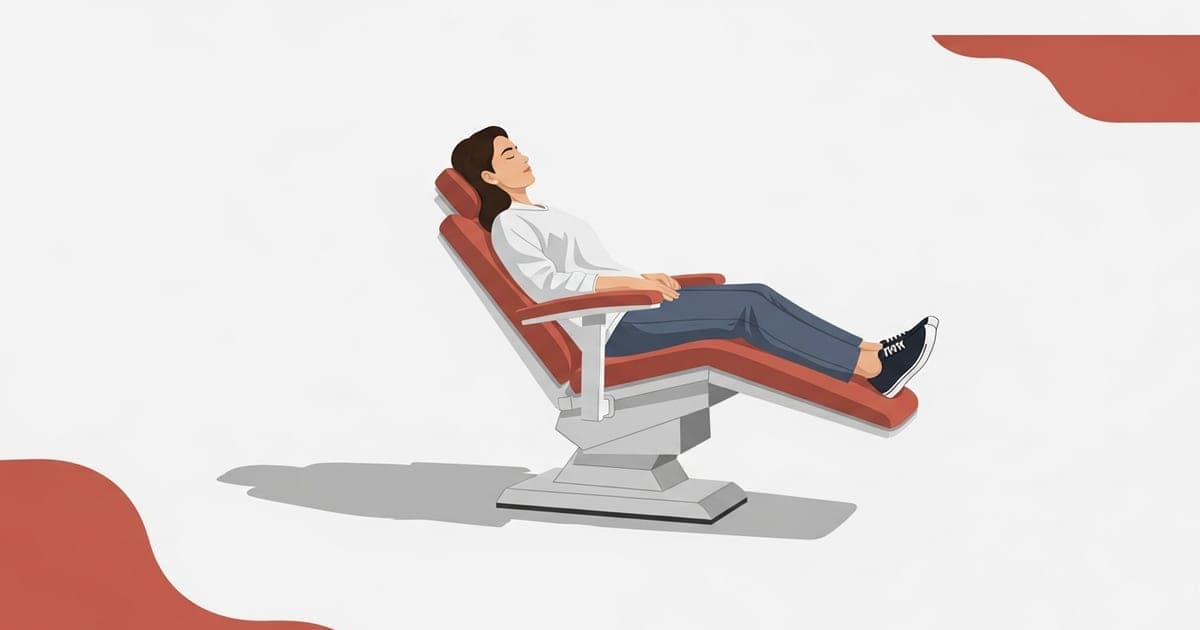
Bloodwork is a routine part of modern healthcare, serving as a cornerstone for diagnosing, monitoring, and managing a wide range of health conditions. While it’s a straightforward procedure for many, others find the process overwhelming due to fear, anxiety, or other personal factors. The question arises: can you be sedated for bloodwork? If so, when is it appropriate, and what does the process involve? This article dives deep into everything you need to know about sedation for bloodwork, helping you make informed decisions about your healthcare experience.
What Is Bloodwork and Why Is It Done?
Bloodwork involves drawing a sample of blood to analyze its components, providing valuable insights into your overall health. This simple yet vital procedure can help:
- Diagnose conditions like diabetes, anemia, or infections.
- Monitor organ function, such as the liver or kidneys.
- Evaluate treatment effectiveness for chronic conditions.
From routine checkups to emergency diagnostics, bloodwork is an essential tool in medical care.
Why Do Some People Fear Bloodwork?
For some, the thought of needles or the sight of blood triggers intense anxiety. Known as trypanophobia, this fear can cause symptoms like:
- Increased heart rate
- Sweating or fainting
- Panic attacks or avoidance behaviors
Understanding these fears is the first step in addressing them, whether through sedation or alternative methods.
When Is Sedation Considered for Bloodwork?
Sedation is rarely necessary for routine bloodwork but may be recommended in specific cases, such as:
- Severe needle phobia that hinders medical care.
- Individuals with developmental or cognitive challenges.
- Pediatric patients unable to remain calm during the procedure.
In such situations, sedation ensures patient comfort and successful blood collection.
Types of Sedation Used
There are different levels of sedation available based on the patient’s needs:
Minimal Sedation: Relaxation techniques often paired with mild sedatives like laughing gas.
Moderate Sedation: Medications administered to induce drowsiness while keeping the patient responsive.
Deep Sedation: Used in extreme cases, where patients are almost unconscious but can be awakened if needed.
Your healthcare provider will determine the most suitable option based on your condition and preferences.
Advantages of Sedation
Sedation can transform an anxiety-inducing experience into a manageable one. Benefits include:
- Alleviating fear and discomfort for phobic patients.
- Making the procedure smoother for healthcare professionals.
- Enabling necessary medical care for individuals who might otherwise avoid it.
Disadvantages of Sedation
Despite its benefits, sedation comes with potential drawbacks:
- Risks of Side Effects: Nausea, dizziness, or adverse reactions to sedatives.
- Increased Costs: Sedation adds extra expenses to a routine procedure.
- Extended Recovery Time: Patients may need supervision post-procedure, limiting their ability to resume normal activities.
Weighing these pros and cons helps determine if sedation is the right choice for you.
Non-Sedative Methods to Manage Anxiety
If the idea of sedation doesn’t sit well with you—or you want to explore other options—there are effective non-sedative methods to manage anxiety during bloodwork:
- Relaxation Techniques: Deep breathing, progressive muscle relaxation, and mindfulness can help calm your mind and body.
- Distraction Methods: Listening to music, using virtual reality headsets, or watching a favorite video can take your focus away from the procedure.
- Numbing Creams: Topical anesthetics like lidocaine-based creams can reduce the sensation of the needle.
These strategies are simple to implement and can make the process significantly less intimidating.
Cognitive Behavioral Therapy (CBT) and Counseling
For individuals with severe or recurring needle phobia, professional help may be the best approach. Cognitive Behavioral Therapy (CBT) focuses on changing negative thought patterns associated with bloodwork. With time, it can:
- Reduce emotional distress.
- Build coping mechanisms.
- Help patients face their fears in a controlled, supportive environment.
Long-term solutions like CBT offer benefits beyond a single blood draw, fostering a healthier relationship with medical care.
Is Sedation Safe for Everyone?
Sedation is generally safe, but certain factors influence its appropriateness, including:
- Age: Pediatric and elderly patients may require different sedation protocols.
- Health Conditions: Heart disease, respiratory issues, or allergies to sedative medications may increase risks.
- Pregnancy: Pregnant individuals should consult their doctor, as some sedatives can affect fetal development.
Always discuss your medical history with your healthcare provider to ensure sedation is safe for you.
How Common Is Sedation for Bloodwork?
Sedation during bloodwork is relatively uncommon and reserved for special cases. Most patients manage the procedure without it, relying on simpler coping methods. However, for those with severe phobias or unique needs, sedation remains a viable option.
Can You Drive After Being Sedated?
No, driving after sedation is not recommended. Depending on the type of sedative used, you may experience drowsiness, slowed reflexes, or impaired judgment for several hours. It’s crucial to arrange for someone to accompany you and ensure you have a safe ride home.
Can I request sedation for routine bloodwork?
Yes, but it depends on your healthcare provider’s policies and the availability of sedation options. They may recommend it only in specific cases.
What are some signs that I might need sedation?
Signs include extreme anxiety, past experiences of fainting or panic attacks, or inability to stay calm during the procedure.
How long does it take to recover from sedation?
Recovery time varies, but most people feel back to normal within a few hours. Ensure someone is available to assist you after the procedure.
What are the risks associated with sedation?
While rare, risks can include allergic reactions, breathing difficulties, or side effects like nausea and dizziness. These are typically minor and manageable.
Are there natural remedies for anxiety before bloodwork?
Yes, techniques like deep breathing, aromatherapy, and practicing mindfulness can help ease anxiety without the need for medication.
Conclusion
Bloodwork is a routine yet essential aspect of healthcare, offering vital insights into your overall health. While sedation isn’t typically necessary, it’s a valuable option for patients with severe anxiety, phobias, or special needs. By weighing the pros and cons, discussing your concerns openly with your healthcare provider, and exploring non-sedative alternatives, you can find an approach that works best for you.
Remember, there’s no one-size-fits-all solution. Whether through sedation or other methods, the ultimate goal is to make bloodwork as comfortable and stress-free as possible.
Say Goodbye To Waiting Rooms And Long Lines. Speedy Sticks offers at-home testing.
When sedation is prescribed for routine bloodwork
Sedation for routine bloodwork is not common, but it is appropriate in certain well-defined situations. A physician may prescribe pre-procedural sedation when a patient’s phobia is severe enough to consistently cause them to avoid necessary lab work, when prior attempts at a standard draw have ended in a vasovagal episode or panic response, or when a patient with a cognitive or developmental condition cannot cooperate with the procedure without medication support.
The goal is not to make an already routine procedure elaborate. The goal is to remove the barrier that prevents a patient from getting care they need. When that barrier is a needle phobia so severe that someone has gone years without necessary bloodwork, sedation is a proportionate and compassionate solution.
Sedation should always be prescribed and directed by your physician. It is not something a phlebotomy service provides or recommends independently. The decision rests with your doctor, who knows your medical history and can choose the right medication and dosage.
What medications are used for sedation before a blood draw
The medications used for pre-draw sedation fall into a few categories, each appropriate for different levels of anxiety and patient history:
- Oral benzodiazepines — Lorazepam (Ativan) and diazepam (Valium) are commonly prescribed for adults with significant procedural anxiety. They reduce anxiety and muscle tension within 30 to 60 minutes. They are short-acting and well-tolerated for single-use procedural use in healthy adults.
- Hydroxyzine (Vistaril / Atarax) — An antihistamine with sedating and anxiolytic properties, often used when a patient cannot take a benzodiazepine. It is also commonly prescribed for children due to its safety profile.
- Clonidine — Primarily a blood pressure medication, clonidine has sedating properties and is sometimes used for patients with cardiovascular considerations or in pediatric patients where other options are less appropriate.
- Midazolam (Versed) — A fast-acting benzodiazepine most often used for pediatric procedural sedation. It can be given orally and reaches peak effect relatively quickly.
Your physician will choose based on your age, weight, medical history, and which medications you have taken safely before. First-time procedural sedation requires closer monitoring than a patient who has done this several times before.
Adults vs. children: how sedation for a blood draw differs
For adults, sedation before a blood draw is typically a pill taken at home an hour before the appointment. The adult can usually communicate throughout the appointment, understands what is happening, and will follow simple instructions even while relaxed. The key logistical requirements are a companion who can stay with them and no driving for the remainder of the day.
For children — particularly children with autism, sensory processing disorder, or other developmental conditions — the coordination is more involved. The medication must be timed precisely to the phlebotomist’s arrival, because the window of peak sedation (typically 30 to 60 minutes after an oral dose) is narrower and the consequences of missing it are more significant. A child who has been medicated and then has to wait an additional 40 minutes for a late arrival may have already come through the peak and returned to full alertness.
If you are coordinating a sedated draw for a child with special needs, we have a detailed guide that walks through exactly how the process works — from what to tell us at booking to how to prepare the environment: our full guide to sedated home blood draws for special needs children.
What to expect at your appointment if you are sedated for bloodwork
If you are an adult who has taken a prescribed sedative before your appointment, here is what the visit looks like with Speedy Sticks:
- Tell us when you book. Note the medication, dose, and the time you plan to take it. We will confirm our arrival window so we reach you during the medication’s peak effect.
- Have a companion present. A trusted adult must be with you throughout the draw and for several hours afterward. This is a hard requirement — not a suggestion.
- Be in a comfortable position when we arrive. Lying down on a bed or sofa is ideal. You do not need to sit upright at a table.
- The draw takes under five minutes. We work quietly and efficiently. The full visit is typically 15 minutes.
- Do not drive. Arrange transportation in advance. Do not drive for the rest of the day.
- Fasting may still apply. If your ordered tests require fasting, the sedative does not change that requirement. Confirm with your ordering provider.
At-home blood draws as an alternative to sedation
For many patients who are anxious about blood draws, sedation is not actually necessary — what they need is a different environment. Clinical settings compound anxiety: the waiting room, the fluorescent lights, other patients, the formal medical atmosphere. For patients whose fear is primarily situational rather than a true phobia, removing those environmental triggers is often enough.
A home blood draw from Speedy Sticks eliminates most of them. You stay in your own space, in whatever position is most comfortable, with no waiting. Our phlebotomists work one-on-one at a calm, unhurried pace. Nervous patients routinely tell us it was far easier than any lab visit they have had.
If you have been avoiding bloodwork because of anxiety, we encourage you to try a home draw before pursuing sedation. Many patients who expected they would need medication find they do not once the clinical environment is removed. And if you do need medication support, we are experienced at coordinating those visits too — for both adults and children.
For patients who need sedation assistance for blood draws, mobile phlebotomy can be coordinated with a home health provider — contact us to discuss your specific situation.
Try a home draw before pursuing sedation.
Most anxious patients find that removing the clinical environment — the waiting room, fluorescent lights, other patients — is enough. A Speedy Sticks phlebotomist comes to you: one-on-one, unhurried, in your own space.
Book a home blood draw