
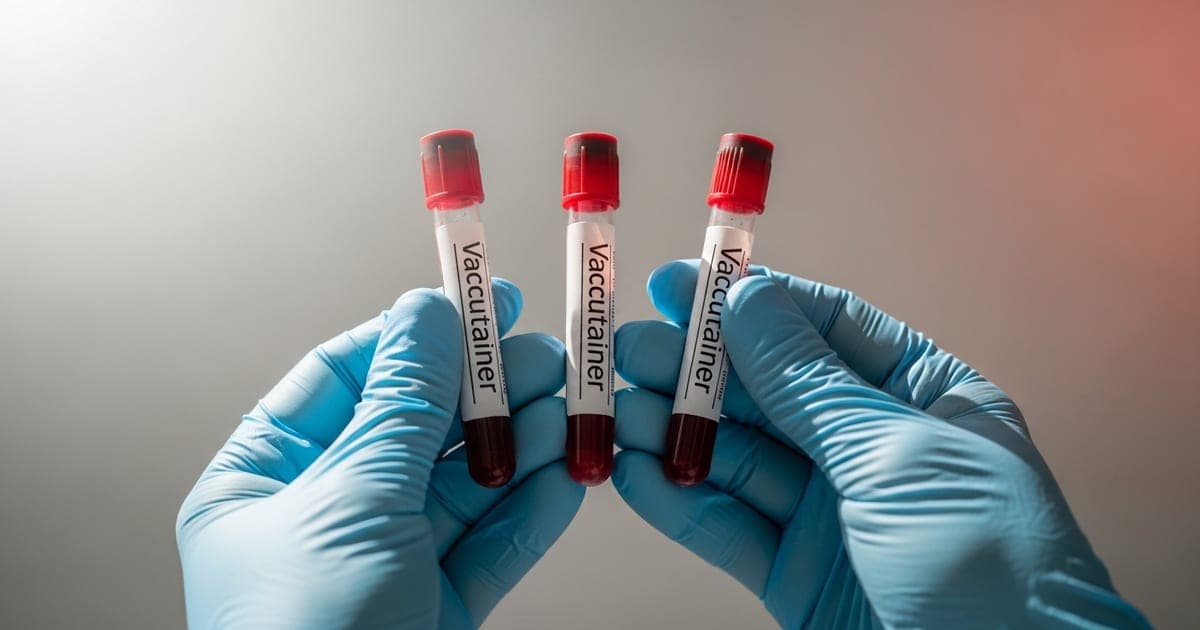
Dreading a blood draw is far more common than most people realize. A strong fear of needles or the sight of blood—sometimes called trypanophobia or blood-injection-injury phobia—affects a large share of adults, and for some it is enough to skip needed lab work entirely. The good news: the fear is manageable, and there are practical steps that make a draw calmer and easier.
Why do blood draws trigger fear or fainting?
For many people the anxiety is psychological—anticipating the needle. For others, there is a physical reflex called the vasovagal response, where blood pressure briefly drops at the sight of a needle or blood, causing lightheadedness or fainting. Both are real, both are common, and both can be planned for.
Proven techniques to stay calm during a blood draw
- Tell your phlebotomist. A good one will slow down, talk you through it, and take extra care. You are not the first nervous patient they have helped.
- Lie down. Being reclined helps prevent fainting from the vasovagal response.
- Try applied tension. If you tend to feel faint, repeatedly tense the muscles in your arms, legs, and torso for a few seconds to keep your blood pressure up.
- Breathe slowly. A long, steady exhale calms the nervous system. Breathe out as the needle goes in.
- Look away and distract yourself. Music, a phone, or conversation gives your mind somewhere else to go.
- Use a numbing cream. An over-the-counter topical anesthetic applied beforehand can dull the pinch.
- Hydrate and eat first (unless fasting is required). Good hydration plumps your veins and steadies your blood sugar.
How an at-home blood draw reduces anxiety
A big part of blood-draw stress comes from the setting: a clinical room, a crowded waiting area, and other patients nearby. An at-home draw removes most of those triggers. You stay in your own space, on your own couch or bed, with no waiting room and no audience. The phlebotomist works one-on-one at your pace—you can lie down, take your time, and stay relaxed in a place you already feel safe.
Skip the clinic—get your blood drawn at home
If waiting rooms make your fear worse, let a certified Speedy Sticks phlebotomist come to you. Stay on your own couch, at your own pace.
If fainting is your main concern, it helps to understand the reflex behind it—see our guide on passing out during a blood draw.