If you’re exploring a career in healthcare, chances are you’ve come across roles like phlebotomist and CNA (Certified Nursing Assistant). Both are entry-level positions with unique responsibilities and career benefits, but choosing the right one can be overwhelming. At Speedy Sticks, we’re all about helping aspiring healthcare professionals navigate their journey with confidence. If you’re deciding which role suits your skills, you’re in the right place.
What is Phlebotomy?
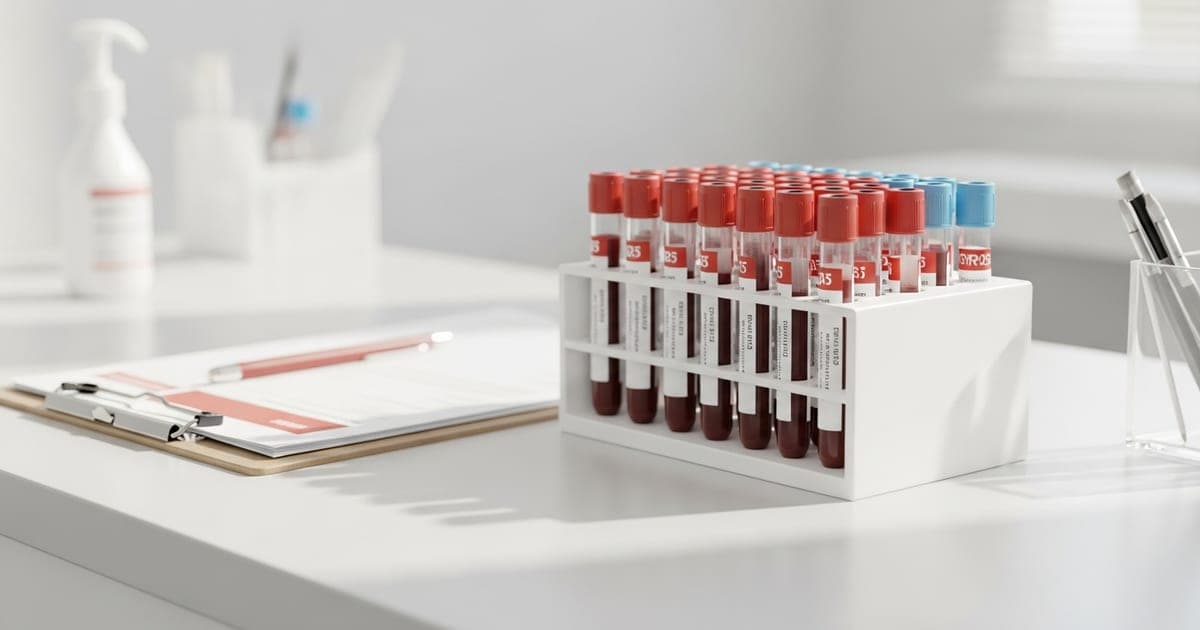
Phlebotomy is the practice of drawing blood for diagnostic testing, transfusions, donations, or research. It’s the behind-the-scenes superhero role that helps doctors diagnose diseases, monitor conditions, and even match people for life-saving blood transfusions.
Phlebotomists often work in:
Hospitals
Diagnostic laboratories
Private clinics
Blood donation centers
Mobile healthcare services (like Speedy Sticks!)
The work is precise and procedure-focused. You’ll be trained to find veins, collect blood efficiently, calm nervous patients, and handle samples with extreme care. You won’t be diagnosing anyone but your role is critical to patient outcomes.
If you’re someone who loves organisation, attention to details and doesn’t mind a little blood, phlebotomy might be your sweet spot.
The Role of a Phlebotomist
So, what does a phlebotomist really do all day?
A typical day might include:
Greeting patients and explaining procedures
Verifying patient identity and matching test orders
Drawing blood using venipuncture techniques
Labeling vials correctly and safely
Preparing specimens for lab transport
Maintaining clean, sanitary workspaces
Calming nervous or fearful patients (especially kids!)
You might work in a fast-paced ER, a calm private clinic, or even provide mobile phlebotomy services (something Speedy Sticks specializes in). It’s a great fit for people who are calm under pressure, love routines, and are looking for flexibility in the healthcare field.
What is CNA (Certified Nursing Assistant)?
A CNA, or Certified Nursing Assistant, takes a more hands-on approach with patient care. Instead of focusing on procedures like drawing blood, CNAs help patients with daily living tasks.
Typical duties include:
Assisting with bathing, dressing, and hygiene
Monitoring vital signs like blood pressure and temperature
Helping patients move around or transfer to beds/chairs
Feeding patients or helping with meals
Reporting changes in condition to nurses or doctors
CNAs are the backbone of patient care, especially in nursing homes, hospitals, and long-term care facilities. The role is physically and emotionally demanding but also incredibly rewarding. You’re right there on the front lines, forming close bonds with patients and their families.
Phlebotomist vs CNA: What’s the Difference?
Let’s break this down simply. Here’s how these two careers stack up:
| Feature | Phlebotomist | CNA |
|---|---|---|
| Main Role | Draw blood, manage specimens | Assist with daily patient care |
| Patient Interaction | Short, mostly during blood draw | Ongoing, often throughout the day |
| Education Time | 4-12 weeks (varies by program) | 4-12 weeks (varies by state) |
| Work Environment | Labs, clinics, hospitals, mobile units | Hospitals, nursing homes, home care |
| Physical Demands | Light to moderate | High (lifting, standing, assisting mobility) |
| Emotional Demands | Moderate | High (long-term patient care) |
| Certification | CPT (Certified Phlebotomy Technician) | State-approved CNA certification |
| Career Advancement | Lab tech, donor specialist, medical assistant | LPN, RN, medical assistant |
So, if you prefer technical skills and quick patient interactions, phlebotomy might be for you. If you enjoy long-term care and being hands-on with patients daily, CNA could be a better fit.
Comparing the Skills Required
A phlebotomist needs:
Strong hand-eye coordination
Steady hands for needle work
Communication skills (especially with nervous patients)
Attention to detail for labeling and tracking samples
A CNA needs:
Physical strength and stamina
Compassion and patience
Ability to handle emotional situations
Quick response in emergencies
Both roles require empathy and professionalism, but the nature of your daily tasks will differ significantly.
Workplace Settings: Where Will You Thrive?
Phlebotomists often work in:
Diagnostic labs
Blood banks
Physician offices
Mobile settings (like Speedy Sticks!)
CNAs usually work in:
Nursing homes
Assisted living centers
Hospitals
Home healthcare
Do you want a fast-paced environment with lots of variety and independence? Go phlebotomy. Want to be part of a close-knit care team, seeing the same patients regularly? CNA might be your calling.
Which Career Pays More?
Let’s talk money.
Phlebotomists earn around $37,000 – $50,000 annually on average, depending on location, experience, and certifications.
CNAs tend to earn slightly less, ranging from $28,000 – $40,000, though some positions in hospitals or specialty care may pay more.
Both are solid entry-level salaries, but phlebotomy often offers more flexibility and freelance opportunities—especially with mobile services like Speedy Sticks.
Training Time: How Long Does It Take?
One big plus for both careers? Short training time.
Phlebotomy: Some programs are as short as 4 weeks, with national certification available through organizations like NHA or ASCP.
CNA: Usually takes 4 to 12 weeks, followed by a state licensing exam.
So, whether you want to be job-ready quickly or stack multiple certifications, both paths are smart choices.
Career Growth & Advancement Opportunities
Phlebotomists can advance to lab technician roles, supervisory positions, or even teach phlebotomy.
CNAs can move up to become LPNs, RNs, or medical assistants through further schooling.
Each role can be a stepping stone toward a bigger healthcare career.
Job Demand: Who’s Hiring?
According to the Bureau of Labor Statistics, both fields are growing:
Phlebotomist jobs expected to grow 10%+ in the next decade.
CNA jobs projected to grow by 8%, with more demand in elder care.
With the rise of mobile healthcare services and home-based care, both roles are expanding beyond traditional settings.
Which Role is Right for You?
Ask yourself:
Do you want to work more independently or as part of a team?
Are you more procedure-focused or patient-care focused?
Do you handle bodily fluids and needles well?
If you love efficiency, clean procedures, and flexible schedules, phlebotomy might be your lane.
If you thrive on connection, empathy, and long-term care, CNA could be your best bet.
Why Choose Phlebotomy with Speedy Sticks?
Here at Speedy Sticks, we don’t just talk about healthcare—we live it. We offer:
Flexible phlebotomy training programs
Opportunities to work in mobile healthcare
Support from professionals in the field
Real-world experience that prepares you from day one
Whether you’re just starting or looking to switch careers, our hands-on training and job placement help you hit the ground running.
Conclusion
Both phlebotomy and CNA careers offer fulfilling, fast-entry paths into healthcare. The right choice comes down to your personality, goals, and lifestyle.
If you’re looking for a role that mixes flexibility, technical skill, and a strong future job outlook, phlebotomy with Speedy Sticks could be the perfect match.
Speedy Sticks offers licensed, at-home blood draws for advanced cardiovascular testing, including ApoB and lipid panels.
Nationwide coverage
Professional phlebotomists
Convenient, compliant collections
Book an at-home blood draw today