
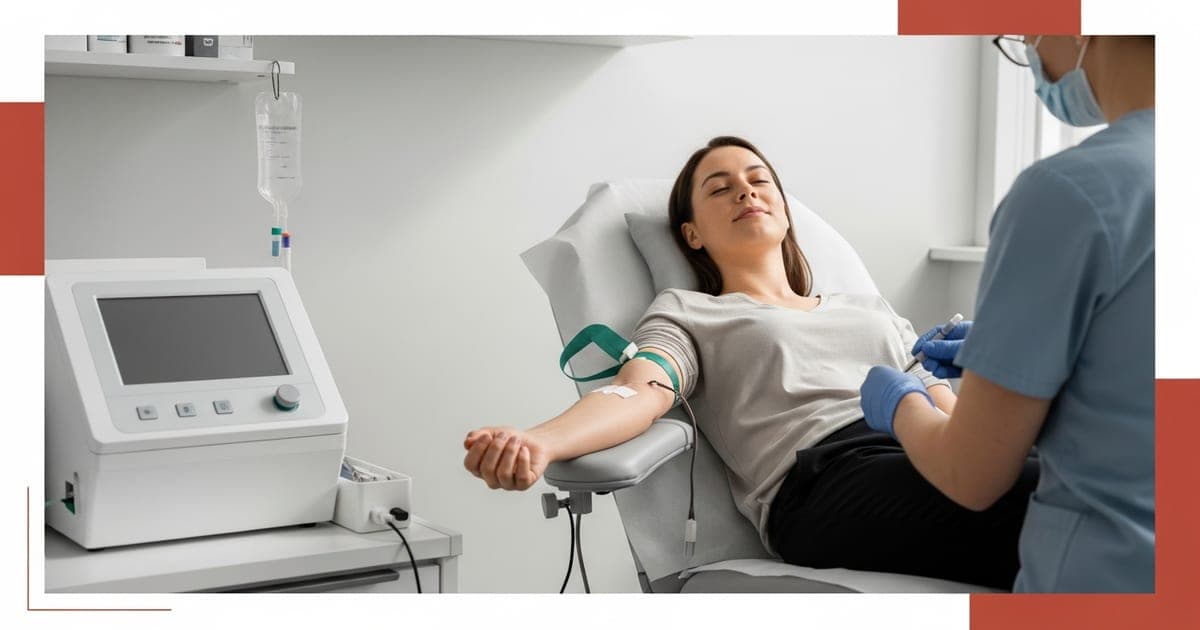
You are currently viewing How to Stop Fainting During a Blood Draw: 7 Doctor-Recommended Tips

How to Stop Fainting During a Blood Draw: 7 Doctor-Recommended Tips

  • Post published:May 4, 2026
  • Post category:Blog

Understanding Why People Faint During Blood Draws

Fainting during a blood draw is usually caused by a reflex known as vasovagal syncope, which happens when your body overreacts to certain triggers like fear, pain, or the sight of blood. Instead of maintaining normal circulation, your nervous system suddenly slows your heart rate and widens your blood vessels. This leads to a quick drop in blood pressure, meaning less oxygen-rich blood reaches your brain—and that’s when you feel dizzy or pass out. It’s not a sign of weakness or illness; it’s simply how some bodies respond to stress.

What is Vasovagal Syncope?

Vasovagal syncope happens when your nervous system overreacts and your blood pressure and heart rate drop suddenly, causing you to faint or pass out. You’re usually unconscious for less than one minute.

This is the most common type of reflex syncope, which happens automatically for reasons you can’t control. People also sometimes call it neurocardiogenic syncope because factors involving your heart, brain or both cause it.

Vasovagal syncope (pronounced “vay-so-vay-gal sin-co-pee”) may seem scary, but this type of fainting is usually harmless.

One out of 3 people will experience vasovagal syncope at least once in their life. It can happen to people of all age groups. In people under 40, most cases of fainting are vasovagal syncope (neurocardiogenic syncope). In older adults, it makes up about half of the cases of fainting.

Most of the time, a vasovagal syncopal episode happens when you’re standing or sitting. It’s rare for it to occur if you’re lying down.

Symptoms of vasovagal syncope

You’re most likely to have symptoms 30 to 60 seconds right before a vasovagal syncopal episode.

Common symptoms include:

Vasovagal syncope causes

Vasovagal syncope is a reflex reaction to something going on around you. But the reflex is either too strong or happens at the wrong time. This all starts in the part of your nervous system that works without you having to think about it — your autonomic nervous system.

One of the key nerves in this system is the vagus nerve, which controls your heart rate and blood pressure. If your vagus nerve becomes too active, it can cause your heart rate and blood pressure to drop too much or too quickly (or both).

If your blood pressure drops too much, this causes vasovagal syncope. You pass out because your brain isn’t getting enough blood flow.

Something happening to you or near you almost always brings on vasovagal syncope. Triggers can be things you see or feel that upset you. Common triggers include:

  • Needles or medical instruments. This includes blood draws, blood donations or the sight of certain medical tools or instruments, like scalpels.
  • Seeing blood. Fainting at the sight of blood is also a common cause of vasovagal syncope.
  • Stress, anxiety or emotional upset. Strong emotions or pain can cause you to pass out.
  • Fatigue or exhaustion. Over-exertion, even just from standing too long, can be enough to cause you to pass out.

Complications of this condition

During a vasovagal syncope episode, you may experience:

  • Brief disorientation or confusion
  • Eyes staying open but rolling up and back into your head
  • Falling when you lose consciousness
  • Loss of bladder control
  • Twitching movements, which people may mistake for a seizure

Once you come to (regain consciousness), you’ll usually recover in about 20 to 30 seconds. Then, you may experience:

  • Anxiety or nervousness
  • Dizziness
  • Fatigue
  • Headache
  • Nausea
  • Pale skin (pallor)
  • Sweating
  • Urge to poop

A vasovagal syncopal episode can happen again, especially if you stand within 30 minutes of the first fainting episode.

How doctors diagnose vasovagal syncope

A healthcare provider will ask questions about what might have caused you to faint. You should mention any recent changes in your health or unusual symptoms you’ve noticed, even if they don’t seem important. These can help your provider make an accurate diagnosis. A provider will ask you what medications and supplements you take. They’ll also check your blood pressure and heart rate.

A provider may also run the following tests, depending on the circumstances of your symptoms:

  • Blood tests. These can detect several conditions that can cause fainting, like low iron in your blood (anemia).
  • Electrocardiogram (EKG or ECG). This test measures electrical activity in your heart and may detect an abnormal heart rhythm.
  • Echocardiogram. This test shows your heart’s structure. It can identify or rule out an issue that’s causing an abnormal heart rhythm.
  • Electroencephalogrm (EEG). This test measures electrical activity in your brain. This can help determine if you passed out because of a seizure.
  • Tilt-table test. In this test, you lie on a table that a healthcare provider tilts upward. People with vasovagal syncope may pass out or start to pass out during this test.
  • Hemodynamic test. This test uses a special type of X-ray (gamma camera) to detect an injected tracer. This shows how your blood circulates and any problems with that.

How do you treat vasovagal syncope?

Most people who have vasovagal syncope will recover on their own. For others, treatment may include:

  • IV fluids. These are especially helpful if you’re dehydrated.
  • Trigger education and avoidance. Knowing what causes vasovagal syncope can help you avoid that trigger or at least be ready for it. You may be able to avoid passing out entirely.
  • Medications. Some medications for heart rhythm disorders or blood pressure may help. These include fludrocortisone and midodrine.
  • Compression stockings. Waist-high stockings (medical grade) work best. If you find these too uncomfortable, you can wear compression clothing made for athletes.
  • Counter-pressure maneuvers. These include crossing your legs and squeezing your leg muscles tightly for several seconds, as well as interlocking your fists and pulling your arms apart. These maneuvers can help increase your blood pressure and prevent you from fainting.
  • Pacing devices. In rare cases, you may need a pacemaker or another device that can help you avoid passing out because of pauses in your heartbeat.
  • Catheter ablation. Healthcare providers are using cardioneuroablation to treat rare cases. This targets nerves in your heart.

When should I see my healthcare provider?

If you pass out, you should receive emergency medical care right away. Serious or life-threatening conditions can cause vasovagal syncope. A healthcare provider should examine you right away to determine if a more severe condition caused you to faint.

It’s also essential to get medical attention after passing out if you hit your head (even only slightly). If you’re taking blood-thinning medications, you should always get medical attention after a fall. This is because these medicines give you a much higher risk of internal bleeding.

You should talk to a healthcare provider if:

  • You’ve never had a vasovagal syncopal episode before and passed out
  • You’ve never had vasovagal syncope before and had several instances where you’ve nearly passed out
  • You have a vasovagal syncope diagnosis and your symptoms change or episodes become more frequent

You may want to ask a provider:

  • What caused this vasovagal syncopal episode?
  • How can I keep it from happening again?
  • Do I need more testing?
  • Do I need treatment?

Can this be prevented?

You may be able to prevent vasovagal syncope episodes by drinking more fluids, eating more salt and standing up slowly. Talk with your provider before you increase your salt intake, as it increases your blood pressure.

Many people who have vasovagal syncope can limit its impact on their lives. They can learn to recognize the symptoms of a vasovagal syncopal episode and avoid known triggers. Knowing what it feels like before you have an episode can allow you to lie on your back or sit so you don’t get hurt if you fall.

If you can recognize an episode before it happens, you may be able to stop it. Your healthcare provider can teach you techniques that keep your blood pressure high enough so that you don’t pass out. These include:

  • Squeezing a foam or rubber ball. Clenching your fist like this may help you stay conscious.
  • Arm-tensing. Curl both of your hands like you’re holding something, interlocking your fists. With one hand facing palm-down and the other facing palm-up, hook your curled hands together. Try to pull them apart.
  • Leg-crossing. While standing, cross your legs so one knee is behind the other. Keep your balance and then tense up the muscles in your legs, belly and butt.

How Common Is Fainting During Blood Draws?

You might feel like you’re the only one who faints during blood tests—but you’re far from alone. Studies show that fainting happens in about 1% to 2% of blood donations , and even more people experience dizziness or near-fainting symptoms. That’s millions of people worldwide dealing with the same issue.

Common Triggers That Cause Fainting

Fear, Stress, and Anxiety

Let’s talk about the biggest culprit: fear. Even if you don’t consciously feel scared, your body might still react like it is. The anticipation of a needle, the clinical environment, or even just remembering a bad past experience can trigger a stress response.

Your brain interprets the situation as a threat, activating your fight-or-flight system. But instead of preparing you to run or fight, your body sometimes does the opposite—it shuts down. That’s why people who say, “I wasn’t even scared,” can still faint.

It’s similar to stage fright. You might feel calm, but your body is sweating, your heart is racing, and your mind is overwhelmed. The same disconnect happens during a blood draw.

Physical Factors Like Dehydration and Hunger

Now here’s something many people overlook: your physical state matters just as much as your mental state. Being dehydrated reduces your blood volume, making it easier for your blood pressure to drop suddenly. Skipping meals can also cause low blood sugar, which makes you more vulnerable to dizziness.

Research shows that triggers like dehydration, stress, and pain are major contributors to fainting episodes . Combine those factors, and your body becomes a perfect setup for a blackout.

Think of your body like a phone battery. If it’s already at 10%, even a small task can shut it down. But if it’s fully charged, it can handle much more without crashing.

Warning Signs Before You Faint

Your body almost always gives you early warning signs before you actually faint—you just have to recognize them and act quickly. These symptoms often start subtly, like feeling slightly lightheaded or “off,” but they can escalate within seconds. Common signs include dizziness, nausea, sweating, blurred or tunnel vision, ringing in the ears, and a sudden feeling of warmth or weakness. Some people also notice their skin becoming pale or clammy.

These symptoms are your body’s way of telling you that your blood pressure is dropping and your brain isn’t getting enough oxygen. Think of them like a warning alarm—ignore them, and you risk blacking out; respond quickly, and you can stop it from happening. The key is not to push through or pretend you’re fine. As soon as you notice these signs, you should take action, such as sitting or lying down and alerting the healthcare provider. The earlier you respond, the more control you have over the situation.

Early Symptoms You Should Never Ignore

Your body usually gives you warning signs before you faint—you just have to recognize them. These early symptoms are like flashing red lights telling you to act quickly.

You might feel dizzy, lightheaded, or suddenly warm. Some people experience sweating, nausea, blurred vision, or even ringing in their ears. Others describe it as “tunnel vision,” where everything starts narrowing.

7 Doctor-Recommended Tips to Prevent Fainting

Tip 1: Stay Hydrated Before Your Appointment

Hydration is your first line of defense. Drinking enough water increases your blood volume, which helps maintain stable blood pressure during the procedure. Experts recommend drinking 16–20 ounces of water before your appointment .

Water acts like a buffer system in your body. When your blood pressure tries to drop, having enough fluid helps prevent a sudden crash. Even if you’re required to fast for your test, water is usually still allowed—and highly encouraged.

Tip 2: Eat Smart (If Allowed)

If your test doesn’t require fasting, eat a balanced meal beforehand. A combination of protein and complex carbohydrates helps stabilize your blood sugar and energy levels.

Avoid sugary foods because they can cause a spike followed by a crash—exactly what you don’t want during a blood draw. Think of food as fuel that keeps your system steady under pressure.

Tip 3: Use the Applied Muscle Tension Technique

This is one of the most powerful—and underused—techniques. It involves tensing your muscles (like your legs and arms) for about 10–15 seconds, then relaxing, and repeating the cycle.

Why does this work? Because it helps push blood back toward your brain, preventing that dangerous drop in blood pressure. Studies show this method can reduce fainting episodes by up to 50–90% in people prone to needle-related fainting .

Tip 4: Lie Down Instead of Sitting

Here’s a simple trick that makes a huge difference: don’t sit—lie down. When you’re lying flat, your brain gets a steady supply of blood, making it much harder to faint.

Most clinics will allow this if you ask. It might feel awkward at first, but it’s one of the easiest ways to prevent a blackout.

Tip 5: Distract Your Mind

Your brain can only focus on so much at once. If you’re fixated on the needle, your anxiety increases. But if you shift your attention—by listening to music, talking to the nurse, or even scrolling your phone—you reduce the emotional trigger.

Some people find it helpful to look away completely. Others prefer guided breathing or counting exercises. The goal is simple: keep your mind busy so it doesn’t spiral.

Tip 6: Communicate with Your Healthcare Provider

Never keep quiet about your history of fainting. Telling your healthcare provider allows them to adjust the procedure to keep you safe. They might have you lie down, monitor you more closely, or guide you through calming techniques.

Think of them as your partner, not just someone drawing your blood.

Tip 7: Control Your Breathing

Your breathing affects your nervous system more than you realize. Slow, deep breathing helps calm your body and prevents sudden drops in blood pressure.

Try inhaling slowly through your nose for four seconds, holding for four seconds, and exhaling for four seconds. It sounds simple, but it’s incredibly effective.

What to Do If You Start Feeling Faint

If you begin to feel faint during a blood draw, the most important thing is to act immediately rather than trying to “tough it out.” The first step is to change your position—lie down flat if possible, or sit and place your head between your knees. This helps restore blood flow to your brain and can prevent you from losing consciousness. At the same time, let the healthcare provider know how you’re feeling so they can assist you quickly.

You can also use techniques like tensing your muscles, especially in your legs and arms, to help push blood back toward your brain. Focus on slow, deep breathing to calm your nervous system and stabilize your blood pressure. Avoid sudden movements, as standing up too quickly can make things worse. Most importantly, give yourself time to recover fully before getting up again. Taking these quick, simple actions can often stop fainting in its tracks and help you regain control of your body within minutes.

Immediate Actions That Can Save You From Passing Out

If you start feeling dizzy, don’t try to “push through it.” That’s the worst thing you can do. Instead, act immediately.

Lie down or put your head between your knees. Start tensing your muscles to keep blood flowing to your brain. Take slow, controlled breaths and alert the healthcare provider right away.

Most fainting episodes can be stopped if you respond early. Think of it as catching a problem before it escalates.

When Fainting Might Be Something More Serious

While fainting during a blood draw is usually harmless, there are times when it could point to a more serious underlying issue. If you faint frequently, without clear triggers, or in situations unrelated to stress or medical procedures, it’s worth getting checked by a healthcare professional. Repeated fainting episodes could be linked to heart rhythm problems, low blood pressure disorders, or neurological conditions that need proper evaluation.

Pay close attention to red flags such as chest pain, shortness of breath, severe headaches, or fainting without any warning signs. These symptoms could indicate something more serious than a simple vasovagal response. Also, if recovery takes longer than usual or you experience confusion afterward, it’s important not to ignore it. While most people who faint during blood draws are perfectly healthy, it’s always better to rule out more serious causes than to assume everything is normal.

Red Flags You Should Not Ignore

While most cases are harmless, there are situations where fainting could signal a deeper issue. If you faint without warning, experience chest pain, or have repeated episodes, it’s important to see a doctor.

Medical experts warn that underlying heart-related causes, though rare, should not be ignored. Pay attention to your body and seek help when something feels off.

Why do I faint every time I get blood drawn?

Because your body triggers a vasovagal response, causing a sudden drop in blood pressure and heart rate.

Can anxiety alone cause fainting?

Yes, emotional stress and anxiety can trigger the same physical reaction as pain or blood exposure.

Is fainting during blood draw dangerous?

Usually no, but it can be risky if you fall or have underlying health conditions.

Should I avoid blood tests if I faint easily?

No, you should prepare properly instead of avoiding them, as tests are important for your health.

Can I train myself not to faint?

Yes, techniques like muscle tension, breathing control, and gradual exposure can help reduce episodes over time.

Conclusion

Fainting during a blood draw isn’t something you just have to live with. It’s a predictable, manageable response that you can learn to control with the right strategies. By staying hydrated, preparing your body, using muscle tension techniques, and communicating with your healthcare provider, you can dramatically reduce your chances of passing out.

The key is preparation. When you understand your body’s signals and take action early, you turn a stressful experience into something completely manageable. The next time you walk into a clinic, you won’t feel helpless—you’ll feel ready.