

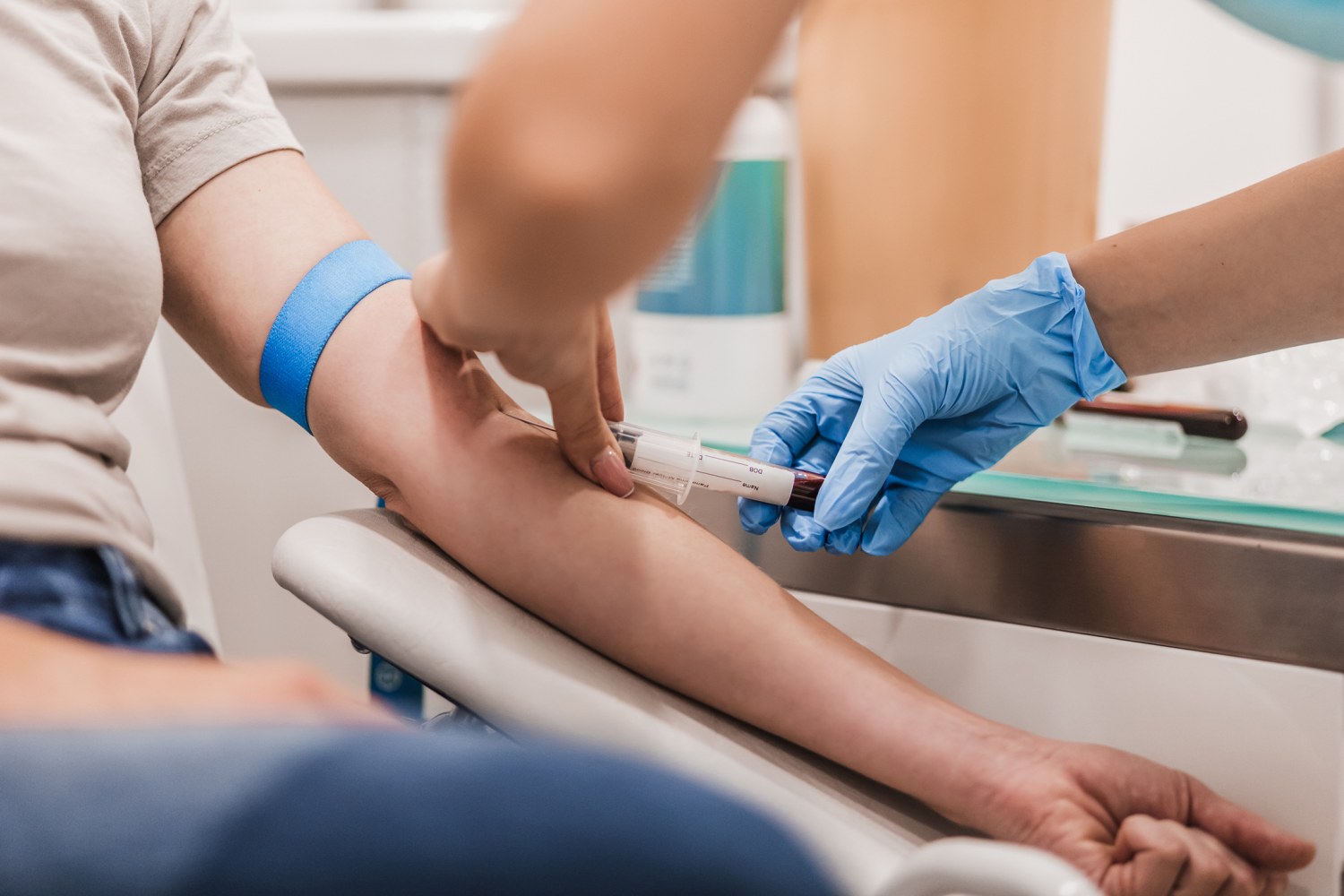
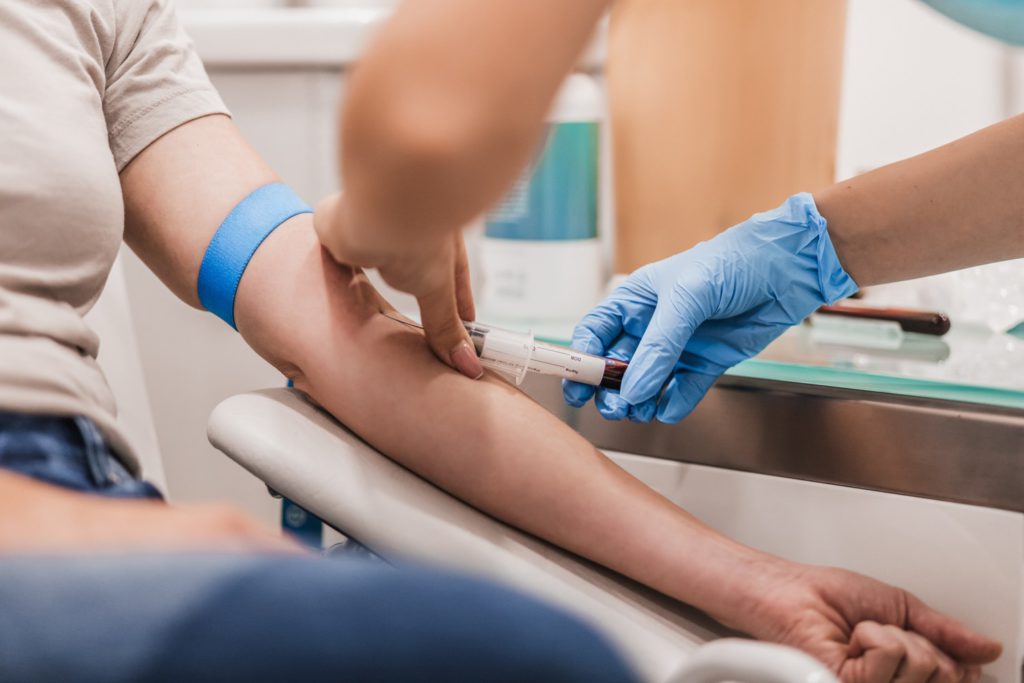
After a blood draw, your specimen begins a highly automated journey designed for accuracy and speed. From the moment it leaves your arm to the final results, the sample is tracked using barcodes, processed in specialized labs, and analyzed by highly trained professionals.

Why Understanding the Process Matters
Ever sat there after a blood draw wondering, “What happens to my blood now?” You’re not alone. Most people assume the sample just disappears into a lab and magically turns into results. But behind that small vial lies a highly controlled, detail-oriented process that directly impacts your diagnosis and treatment. Understanding this journey helps you appreciate why accuracy matters so much—because even the smallest mistake can lead to incorrect results.
Think of your blood sample like a fragile package being shipped across multiple checkpoints. Each step—from labeling to testing—must be handled with precision. According to laboratory guidelines, proper specimen handling is essential because errors at any stage can compromise test accuracy and patient safety . That’s not just technical talk—it means your health decisions depend on how well your sample is managed.
Off to the lab
As soon as the phlebotomist takes a sample in the collection tubes, the vials are labeled with your information and packaged for pickup. Specialized medical couriers pick it up to ensure prompt delivery to the testing lab. Upon arrival at the lab, the shipment is carefully inspected to confirm all tubes are intact with labels securely in place. Each tube barcode is scanned into the laboratory information system to log it in. Now, the real processing work begins.
Analyzing your sample
Skilled laboratory technicians and technologists and precise automated equipment prepare your sample to be tested, first by dividing it into different vials based on the test(s) that need to be performed. Then, laboratory staff sets up and performs each test that needs to be completed for you. Modern automated chemistry analyzers can perform hundreds of different tests per hour, on your sample and those from many other patients. More specialized tests require careful and precise manual preparation methods.
To maintain accuracy of results, your specimen is tested alongside quality control samples. These control samples act as a reference point to help ensure testing is as precise and accurate as possible. If unusual results are detected in these control samples, the equipment is recalibrated.
Recording and reviewing results
Once testing is complete, your results are uploaded into the laboratory information system where they undergo rigorous validation. Some tests are automatically released, and others are reviewed by staff for consistency with prior tests , expected values and any potential issues or flags. Only approved results are sent to you and the healthcare provider who ordered your testing.
Routine test results are typically available within 1-3 days, while more complex tests can take 4-7 days or more. The lab retains your sample for a set period in case any results need verification.
Take Away
The next time you roll up your sleeve for a blood test, remember—you’re not just giving a sample. You’re initiating a complex, carefully managed process that involves precision, technology, and expertise at every step. From labeling and transport to centrifugation and analysis, each stage plays a vital role in ensuring accurate results.
Understanding this journey not only builds trust in the healthcare system but also highlights the importance of proper procedures. Your health depends on it, and every drop of blood tells a story—handled with care, from start to finish.