


We live in a world that rewards productivity, fast schedules, and hustle. Between work, family, errands, and social obligations, prioritizing health — especially when we feel fine — often slides to the bottom of our to‑do list. However, skipping routine health checks doesn’t just increase physical risk; it can slowly erode mental stability in ways most people never see coming. Physical health and mental wellbeing are deeply interconnected, and bypassing preventative checkups can lead to hidden stress, anxiety, and prolonged uncertainty about one’s own body and mind. This article explores that crucial link — and why routine health checks are more important than you might think.

What Are Routine Health Checks?
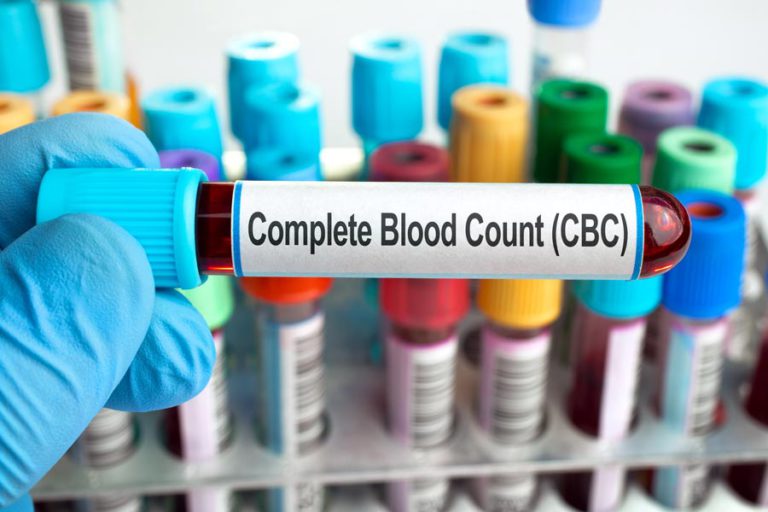
Routine health checks — sometimes called wellness exams or preventive screenings — are regular visits to a healthcare provider that don’t necessarily involve sickness or emergency care. These appointments typically include evaluating vital signs, screening for chronic conditions, reviewing vaccination updates, and — increasingly — addressing mental health concerns like stress, mood changes, anxiety, or depressive symptoms. These visits are proactive rather than reactive, aiming to catch potential issues early before they become serious or life‑altering. Routine screenings help bridge the gap between feeling “okay” and being actually healthy by identifying hidden risks early, guiding lifestyle changes, or initiating timely treatment.
Why Skipping Routine Health Checks Can Impact Mental Stability
Skipping routine health checks can severely impact mental stability by fostering anxiety about unknown health issues, allowing undiagnosed conditions to degrade psychological well-being, and removing the opportunity for early intervention to manage stress and anxiety. Regular, “silent” conditions like hypertension, high cholesterol, or thyroid issues can directly cause anxiety, depression, and fatigue, leading to a diminished quality of life.
How Neglecting Checkups Impacts Mental Stability
- Heightened Anxiety and Stress: Ignorance is not bliss; not knowing the status of your health can lead to constant, low-level stress or acute anxiety, especially regarding minor symptoms that could be signs of something worse.
- The “Undiagnosed” Cycle: Physical issues—such as thyroid imbalances, vitamin deficiencies, or chronic pain—often manifest as mental health issues like fatigue, irritability, and cognitive decline, which may be misdiagnosed or ignored if a full physical exam isn’t performed.
- Chronic Stress and Burnout: Skipping checkups often results in missing the opportunity for counseling on lifestyle changes and stress management, leaving individuals to feel overwhelmed.
- Reduced Self-Efficacy: Ignoring or skipping appointments can cause a loss of control over one’s own body, triggering feelings of helplessness and increasing the risk of depression.
- Fear of Discovery: Many avoid doctors due to iatrophobia (fear of doctors) or the anxiety of hearing bad news. This avoidance creates a cycle where the anxiety about potential illness becomes worse than the potential diagnosis itself.
Physical Factors Affecting Mental Health
- Chronic Illness Comorbidity: Roughly 1 in 3 people with a long-term physical health condition also experience a mental health problem, most often depression or anxiety, which are often left untreated without regular screening.
- Systemic Inflammation: Untreated conditions can cause chronic pain or inflammation, which directly correlates to decreased serotonin production, worsening low mood and anxiety.
- Sleep Disruption: Many ignored health conditions (such as sleep apnea or chronic pain) disrupt sleep, directly contributing to mood instability, poor concentration, and exhaustion.
Benefits of Regular Screenings
- Peace of Mind: Regular checkups provide reassurance that your vital signs and labs are normal, significantly reducing health-related anxiety.
- Early Intervention: Detecting issues early—like high blood pressure or diabetes—allows for faster, less invasive treatment, preventing the depression associated with chronic, advanced illness.
- Holistic Assessment: Annual physicals are opportunities to discuss stress levels, sleep patterns, and mental health with a provider.
By prioritizing annual physical exams, you are taking a proactive step toward protecting both your body and your peace of mind.
How Early Detection Reduces Uncertainty
Routine check‑ups reduce uncertainty. When you consistently check in with a healthcare professional, you get calibrated information about your body’s state. That clarity — even if everything is normal — gives the brain reassurance and reduces rumination or catastrophic thinking about unknown health problems. Essentially, early detection helps prevent the mental toll of uncertainty by replacing “what if” with “here’s what we know.” Research also shows that consistent check‑ups are linked with better cognitive resilience and emotional wellbeing, especially among older adults.
Common Reasons People Skip Routine Check‑Ups
Time Constraints and Busy Lifestyles
Many people simply feel too busy to prioritize routine health visits. Between juggling professional and personal responsibilities, scheduling a check‑up can seem like a luxury.
Fear, Anxiety, and Avoidance Behaviors
It’s human nature to avoid uncomfortable situations — medical visits included. Clinics, needles, awkward questions, and potential diagnoses generate anxiety that leads many to put off appointments indefinitely.
Cost Concerns and Accessibility Barriers
In many regions, routine medical care carries real financial and logistical costs. Insurance gaps, travel distance, or time taken off work make check‑ups feel prohibitive — and so they get postponed.
Mental Risks of Skipping Routine Physical Exams
Increased Anxiety and Health Worries
When you avoid check‑ups, small discomforts that could be normal can turn into looming, unanswered questions in your mind. The absence of clear medical feedback breeds anxiety — the kind that makes you constantly wonder whether a harmless ache is something serious.
Uncertainty Fuels Stress and Rumination
Worrying about potential health issues without answers triggers what psychologists call rumination — repetitive looping thoughts that heighten stress, reduce sleep quality, and erode mental stability over time. Having regular checkpoints with a healthcare provider reduces this stress loop by providing concrete data and reassurance.
Routine Check‑Ups and Depression Detection
Screening for Early Warning Signs
Mental health assessments are increasingly integrated into routine wellness visits. These don’t diagnose conditions alone, but screening tools and clinical conversations help flag early warning signs of depression, anxiety, or emotional stress that you might not notice yourself.
Why Early Intervention Matters
Identifying depressive symptoms early — when they’re mild or emerging — makes interventions more effective and less disruptive to everyday life. Early management through lifestyle changes, therapy options, or support structures helps prevent long‑term emotional decline.
How Health Providers Integrate Mental Assessments
Mental Health Screenings in Wellness Visits
Today, many healthcare systems include standard questionnaires — like mood assessments and stress evaluations — as part of wellness checks. These screenings help doctors spot shifts in emotional health, opening doors for discussions about support and care.
Benefits of Integrated Care
An integrated care model — where mental and physical health are treated as part of the same system — improves outcomes in both realms. Patients benefit from a cohesive plan that supports emotional resilience and physical wellbeing together.

Long‑Term Mental Impacts of Avoiding Healthcare
Chronic Stress and Cognitive Load
Ignoring health check‑ups contributes to a buildup of stress and unknowns. Over time, this chronic stress load can impair focus, memory, and decision‑making — all core components of mental stability.
Emotional Burnout and Reduced Resilience
Without regular health feedback loops, people can become emotionally exhausted from carrying unresolved health worries, leading to burnout and reduced psychological resilience against life’s stressors.
Social and Behavioral Consequences
Isolation and Health‑Related Fear
People who avoid check‑ups often isolate or avoid discussions about health — even with friends and family — which can foster a sense of loneliness or confusion about one’s own body.
Reduced Motivation for Healthy Habits
When routine check‑ups are skipped, it’s easier to slide into unhealthy behaviors because there’s less accountability and fewer reminders to maintain wellness habits.
Practical Steps to Stay on Top of Health Checks
Scheduling and Reminder Tools
Use apps, calendars, and health reminders to schedule annual or bi‑annual health check‑ups. Treat them like important appointments — because they are.
How to Talk to Your Doctor Proactively
Prepare questions, concerns, and emotional health updates before your visit. This helps you make the most of each appointment and level up your overall wellbeing.
Why are routine checkups important?
Routine checkups are essential because they allow healthcare professionals to monitor your overall health before any serious issues arise. These visits include assessments of vital signs, blood tests, and screenings that detect early signs of diseases such as diabetes, high blood pressure, or cardiovascular problems. Catching potential health problems early often makes them easier to treat, less costly, and less disruptive to your daily life. Beyond physical health, routine checkups also provide a sense of reassurance, reducing anxiety about the unknown and helping individuals maintain peace of mind. In addition, doctors can offer personalized lifestyle guidance, such as nutritional advice, exercise recommendations, and preventive measures that support long-term wellness.
Why is it important to keep your mental health in check?
Keeping your mental health in check is just as vital as monitoring your physical health. Mental health directly affects your emotions, cognition, and overall quality of life, influencing how you manage stress, build relationships, and make daily decisions. Regularly checking in on your mental state helps you identify early signs of stress, anxiety, depression, or burnout before they escalate into more serious conditions. By being proactive, you can adopt coping strategies, therapy, or lifestyle adjustments that maintain emotional balance. Moreover, mental well-being enhances productivity, resilience, and physical health, as stress and untreated mental conditions often contribute to fatigue, sleep disturbances, and weakened immunity. Essentially, maintaining mental health is a cornerstone of holistic wellness.
How may missing regular health checks increase the risk of poor health and well-being for the individual?
Skipping regular health checks can significantly increase the risk of both physical and mental health problems. Without consistent screenings, conditions like high blood pressure, diabetes, or early-stage cancers may go undetected until they become severe or even life-threatening. Mentally, the absence of routine check-ins creates uncertainty and anxiety, as individuals may constantly worry about undiagnosed health issues. Over time, this stress can affect sleep, focus, and emotional stability, reducing overall well-being. Missing appointments also eliminates opportunities for preventive guidance, lifestyle advice, and interventions that can halt or slow the progression of chronic conditions. In short, neglecting regular health checks creates a silent risk that compounds over time, jeopardizing both your body and mind.
Why is it important to have a mental health check-up?
A mental health check-up is important because it provides a structured way to evaluate your emotional and psychological well-being. These check-ups help detect early symptoms of mental health issues such as anxiety, depression, or chronic stress, which are often overlooked in daily life. Early identification allows for timely interventions, whether through counseling, therapy, lifestyle modifications, or support networks. Mental health assessments also provide insights into coping mechanisms, stress levels, and overall emotional resilience, helping you proactively manage life’s challenges. Additionally, mental health check-ups reduce the stigma of discussing emotional difficulties with professionals, empowering individuals to prioritize both mind and body health equally.
Final Thoughts on Health and Mental Balance
Skipping routine health check‑ups might feel harmless especially if you feel o kaybut the evidence suggests that these visits do more than monitor physical markers. They promote emotional stability, reduce fear of the unknown, and create a consistent support framework for your overall wellbeing.