
It’s not just our minds that carry stress. The old Romans had it right. They sensed this link and captured it in a short line: mens sana in corpore sano. The phrase mightn’t sit perfectly with today’s topic – modern burnout – yet it points to the bond between thought and tissue. That’s right: stress shapes chemistry, and chemistry shapes behavior. Burnout grows where this loop runs too long. People feel drained and detached, but the body will also react in measurable ways. Hormones shift. Immune signals change. Energy use alters. This is where science steps in with blood tests to understand chronic stress and its physical traces. Not a weakness or a mood, burnout is a biological state that develops over time. By reading markers in blood, clinicians can see how prolonged pressure moves through systems that keep people alive.
Burnout and Addiction Share Common Biology
Burnout and addiction often share the same ground, as both arise from repeated stress and limited recovery. Substances promise relief, focus, or sleep while burnout strips motivation and reward. This pattern explains why exhaustion and substance use disorders so often appear together. People chase balance through chemicals when the body simply can’t find it on its own. Experienced professionals at Lake Point Recovery & Wellness, a facility that treats both mental health conditions and substance use disorders, confirm that the link seems clearer with each passing day. Clinical stories echo lab data. Dopamine signaling tends to weaken under long strain. Alcohol or stimulants then fill the gap for a moment. That moment fades fast.
With continuous use, the brain adapts, tolerance grows, and stress rises again. Burnout won’t cause addiction in a simple line, yet it will lower resistance. Self-control falls when cortisol stays high, and sleep breaks apart. Blood markers will show inflammation and altered glucose use in both states. These overlaps help clinicians spot risk earlier. They also support care plans that address stress chemistry and behavior at the same time, instead of treating symptoms in isolation.

What Blood Can Reveal About Long-Term Stress
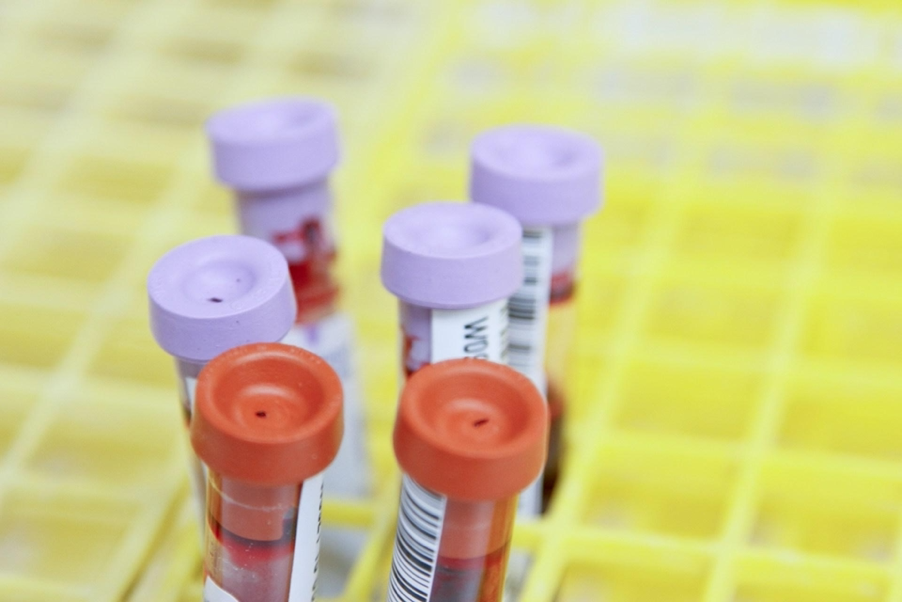
Blood offers a record of stress that memory can’t keep. Cells react to pressure through hormones, immune signals, and energy pathways. Over time, these reactions leave patterns. Tests can show changes in cortisol rhythm, inflammation markers, lipid balance, and glucose handling. None of these results diagnoses burnout alone. Together, they describe strain load.
Clinicians use blood tests to understand chronic stress by reading the above signals in context with symptoms and history. A high inflammatory profile can explain pain and fog. Altered lipids can link stress to heart risk. Shifts in glucose use can explain crashes and cravings. This data supports earlier intervention. It also helps people accept that burnout has a physical basis.
Numbers can create distance from shame. They turn feelings into information. Still, blood results require care in interpretation. Stress markers vary with age, sleep, infection, and medication. One test can’t tell a full story. Patterns over time matter more than single results. When used well, blood data supports conversations about rest, boundaries, and treatment choices that fit real lives. This shared review strengthens trust, improves adherence, and frames recovery as a process that can be measured, adjusted, and respected without reducing a person to a chart during periods of pressure and limited support in demanding environments today.
Cortisol as a Marker of Chronic Strain
Chronic stress leaves a strong signature in cortisol. This hormone guides energy use, immune response, and alertness. Short rises help survival. Long elevation harms systems. As Psychology Today tells us, high cortisol levels align with chronic stress and persistent burnout symptoms. People may feel wired and exhausted at once. Sleep fragments. Muscle repair slows. Fat gathers in the abdomen. Blood tests often reveal this pattern alongside raised glucose and inflammation. The body acts as if the threat never ends.
Over months, this state increases the risk for anxiety and low mood, together with metabolic disease. Cortisol also disrupts feedback loops that should turn stress off. The result is a body stuck in response mode. Measuring cortisol across time, not just once, can offer some insight. Morning and evening values matter. Ratios matter. Context matters. These readings guide care decisions. They also validate experience. Burnout feels invisible to others. Hormone data makes it visible without judgment. This clarity can support treatment plans that reduce load, restore sleep, and rebuild capacity with patience. Clinicians combine these findings with clinical interviews to avoid overreach and to respect variation across bodies, seasons, and life demands without forcing one story onto every patient.

Immune Signals and Future Risk
Stress chemistry also shapes the immune system and future risk. Prolonged pressure raises inflammatory signals that should resolve after challenge. When they persist, tissues suffer. People report pain, frequent illness, and slow healing. Blood panels often show this low-grade inflammation alongside nutrient depletion. Iron handling shifts. B vitamins drop. Magnesium use rises. These changes affect mood and focus. They also reduce exercise tolerance and resilience.
Certain patterns can hint at later anxiety or depression risk. This doesn’t, of course, predict fate. It just shows vulnerability. Clinicians can use this knowledge to guide prevention. Adjusting sleep, workload, and nutrition can shift markers over time. Follow-up testing shows whether changes help. This feedback loop supports realistic planning by avoiding promises and fear. Burnout recovery won’t usually follow a straight line, as biology moves in waves.
Tracking immune and metabolic signals offers a map that updates as conditions change. People gain agency when they see progress in numbers that reflect real function. Such monitoring works best within supportive care, where results inform discussion, pacing, and expectations, rather than driving pressure to improve faster than the body allows. This stance respects limits while encouraging gradual change through consistent, humane decisions made with professional guidance and personal context over time for safety and trust.
Burnout Lives in Blood as Much as Thought
Chemistry records the cost of tension and pressure with honesty. Using this information doesn’t reduce people to numbers. It restores balance between experience and evidence. When clinicians apply blood tests to understand chronic stress with care, they create space for validation and action. Patterns guide pacing, not judgment. Recovery remains personal and uneven. Biology confirms that rest, support, and treatment matter. This view challenges myths about willpower and weakness. It also asks systems to change, not just individuals. Burnout reflects conditions, demands, and time. Reading the body helps people see that healing is possible, measurable, and worthy of patience, even after long periods of depletion. Such insight supports compassionate decisions across healthcare, work, and community settings for lasting recovery.
Speedy Sticks offers licensed, at-home blood draws for advanced cardiovascular testing, including ApoB and lipid panels.
 Nationwide coverage Professional phlebotomists Convenient, compliant collections
Book an at-home blood draw today
Say Goodbye To Waiting Rooms And Long Lines. Speedy Sticks offers at-home testing